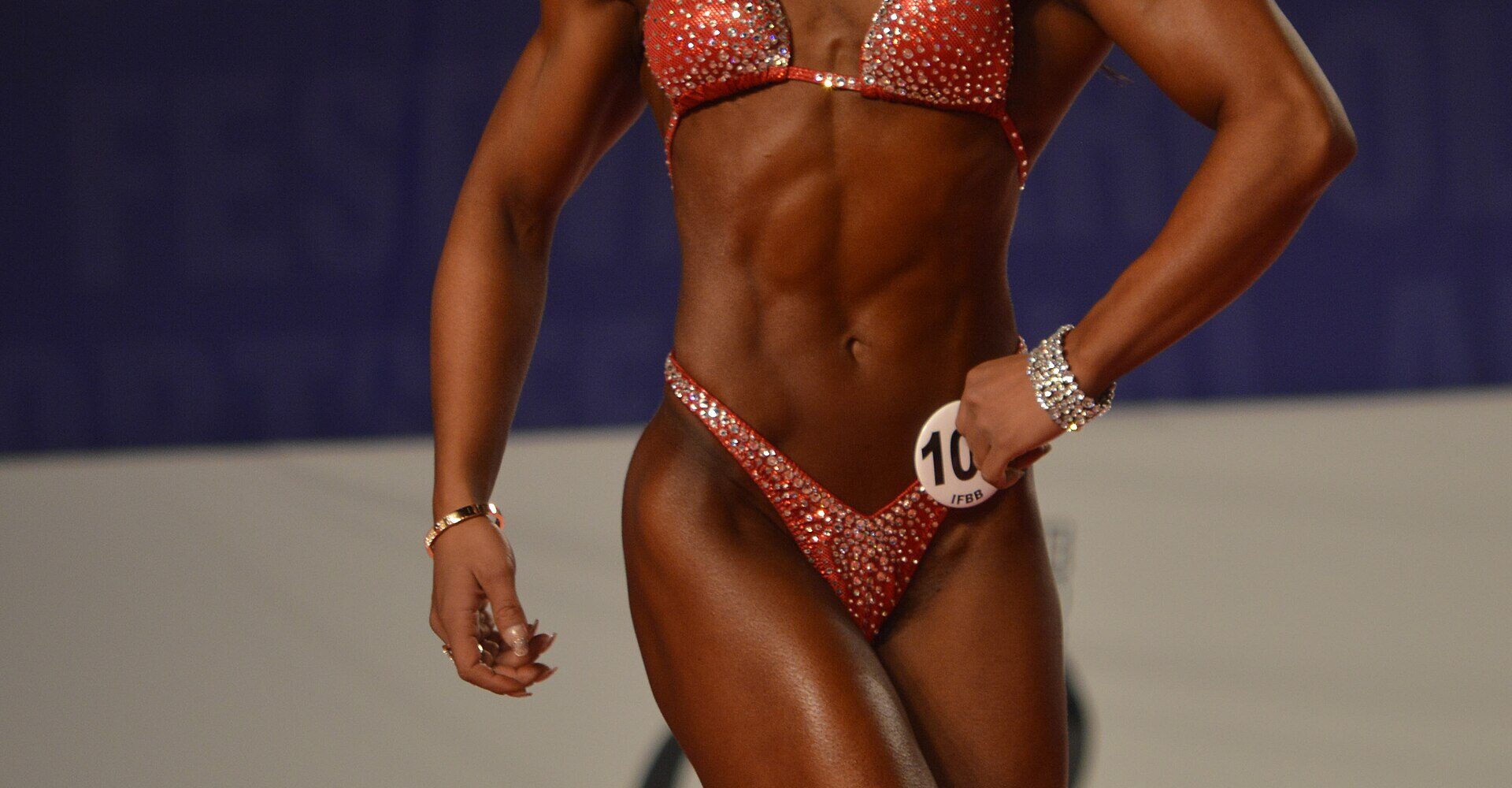
Peak week is the final 5–7 days before a show, when coaches try to make a physique look as full, dry and sharp as possible on stage. It’s also the most mythologized week in bodybuilding. Let’s separate the levers that work from the folklore.
Lever 1: Carbohydrates
Muscle glycogen pulls water into the muscle, which makes it look fuller and rounder. Most modern approaches use a moderate carb load in the last few days rather than an extreme deplete-and-load. The goal is “full but not spilled over” — too many carbs and the skin softens.
Lever 2: Sodium and water
Old-school peak weeks slashed sodium and water hard. Many coaches today keep both relatively stable, because drastic cuts can flatten the muscle and make an athlete feel terrible on stage.
Lever 3: Food volume and digestion
Bloating ruins a midsection. Low-residue, familiar foods in the final 48 hours keep the stomach tight.
The shortcuts that hurt people
Diuretics and extreme dehydration are linked to serious medical emergencies in the sport, including cardiac events. No trophy is worth it. Any strategy involving prescription drugs belongs under the supervision of a physician — not a forum post.
The real secret
The best peak week is the one you barely need: arrive in condition a week early, and peak week becomes fine-tuning instead of a rescue mission.
Educational content only — not medical advice.